Residential Remodeling Without Moving Out: How to Phase Your Project
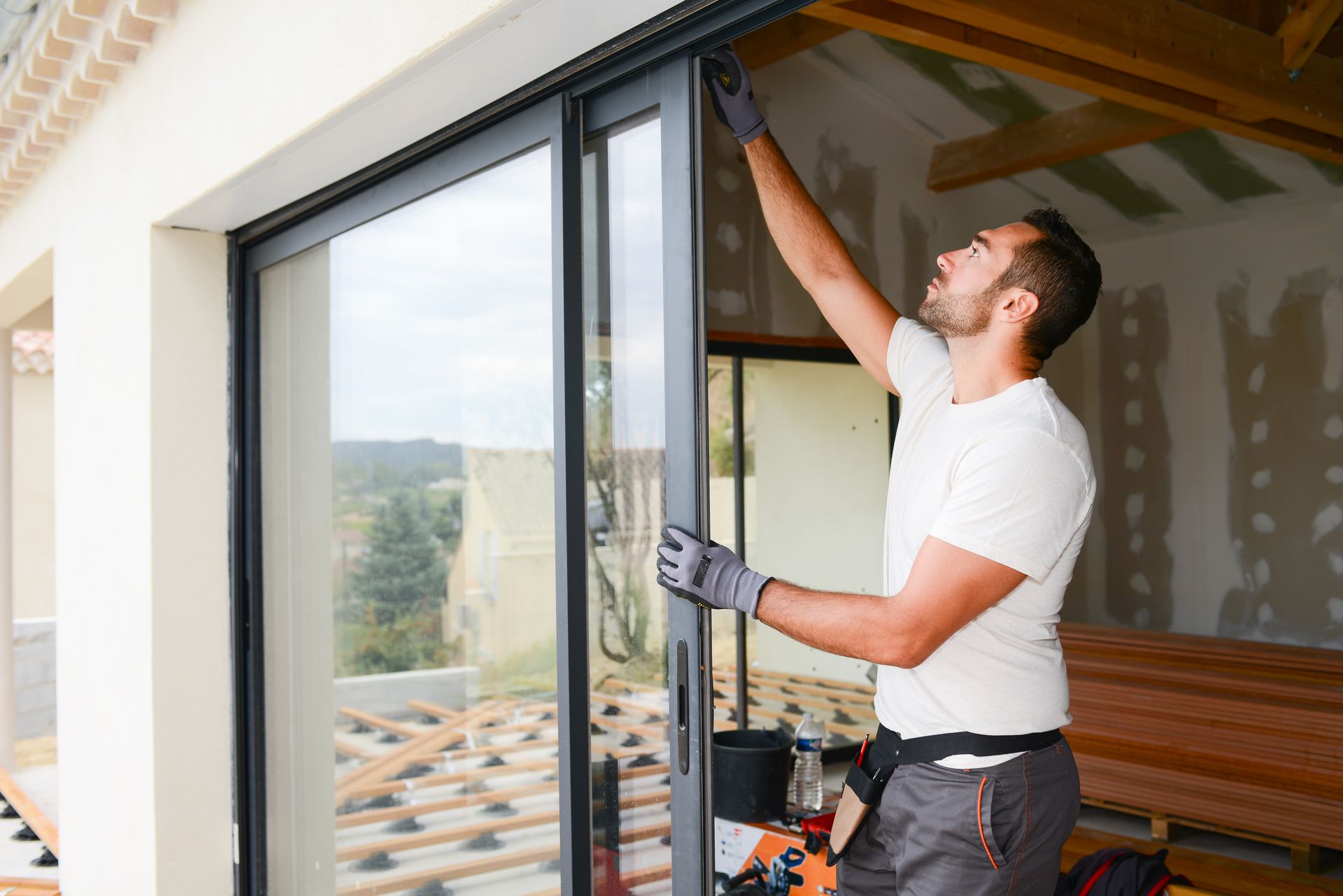
You can keep living at home during a remodel when the work is divided into phases with a clear order. Phasing lets you finish one part of the house, use it, and then start the next part. This guide explains how to plan that sequence for homes in La Quinta, CA, and across the Coachella Valley.
Why Phasing Matters During a Remodel
Phasing gives your household a predictable routine during construction. It also limits how much of the home is opened up at one time, which makes dust, noise, and delays easier to manage. Not every project needs phasing, but larger residential remodeling projects usually benefit from it.
Phasing also gives you checkpoints. At the end of each phase, you can confirm that the finished work meets your expectations before the next stage begins. Catching a problem early is easier and less disruptive than finding it after every room is closed up.
How Do You Divide a Remodel Into Phases?
Most projects divide cleanly into a few stages based on how the work depends on other trades. Starting with structural and utility work prevents damage to finishes that come later.
A typical sequence follows these steps:
1. Plan the scope, permits, and material selections before demolition begins.
2. Complete demolition and rough-in work for plumbing, electrical, and HVAC systems.
3. Schedule inspections before walls are closed.
4. Install insulation, drywall, and paint in the areas that are complete.
5. Finish flooring, cabinetry, fixtures, and final details room by room.
Each stage should have a clear start and finish date. Ask for the schedule in writing so you know which rooms will be unavailable and for how long.
Which Rooms Should Be Finished First?
Rooms that support daily life usually come first. Keeping a working kitchen, bathroom, and bedroom gives the household a stable base while other areas are under construction. A guest room or home office can also serve as a temporary living space if the schedule shifts.
Rooms that are far from the main work zone are often good candidates for early completion. Finishing them first lets you move belongings out of active areas sooner, which keeps the rest of the project moving efficiently.
Planning Kitchen and Bathroom Downtime
Kitchen and bathroom work often causes the longest disruption in a home, so it needs its own schedule. Set up a temporary kitchen with a microwave, a small refrigerator, and a sink station outside the work zone. In bathrooms, keep at least one working toilet and shower whenever the layout allows it.
Plan meals and laundry around the kitchen and bathroom schedule before work starts. Many households find it helpful to block out time each week to restock supplies and reset the temporary setup.
Protecting Working Areas During Construction
Protecting the rooms you still use reduces dust and accidental damage. Consider these steps:
▸ Seal doorways with plastic sheeting and zippered barriers.
▸ Set a dedicated path for workers and materials to limit foot traffic through living areas.
▸ Cover floors and furniture in rooms next to active work.
▸ Create a clean space for meals, work, and sleep away from the construction zone.
Pets, children, and visitors need extra attention during active work. Keep gates and doors closed, and talk with the crew about where and when materials will be moved through the home.
Scheduling Inspections Around Your Household
Inspections are often required during remodeling projects, and they can pause work until a city or county inspector signs off. Build inspection time into each phase rather than assuming the work will move straight through. Request inspections as soon as the work is ready, and keep the access path clear for the inspector.
Some inspections happen before walls are closed, so schedule those visits during the rough-in stage. Knowing the inspection points ahead of time helps you set expectations with your household about when the house may be quiet or briefly busy.
Common Phasing Mistakes to Avoid
Several errors cause phased projects to fall behind schedule. Homeowners often underestimate how long inspections and material deliveries take. Changing finish selections after drywall is installed also adds delay, so decisions should be made early.
Another common mistake is opening up more of the home than the current phase requires. Limiting the work to one area at a time keeps the rest of the house usable and reduces the risk of damage from weather or foot traffic.
Scheduling Inspections Around Your Household
A written phase plan helps homeowners and contractors agree on sequence, timing, and access before work begins. RSL Development provides residential remodeling services in La Quinta and across the Coachella Valley, including full home renovation projects. Homeowners who want to review phasing options can
schedule a consultation to discuss their project, or learn more about
full home renovation services.
Recent Posts